



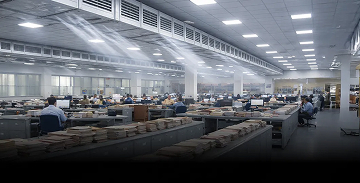

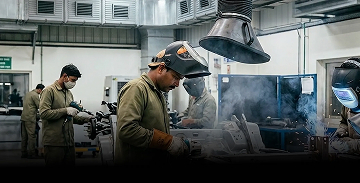
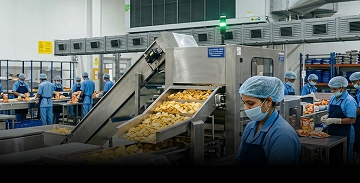
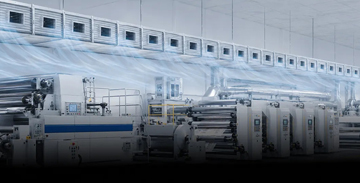
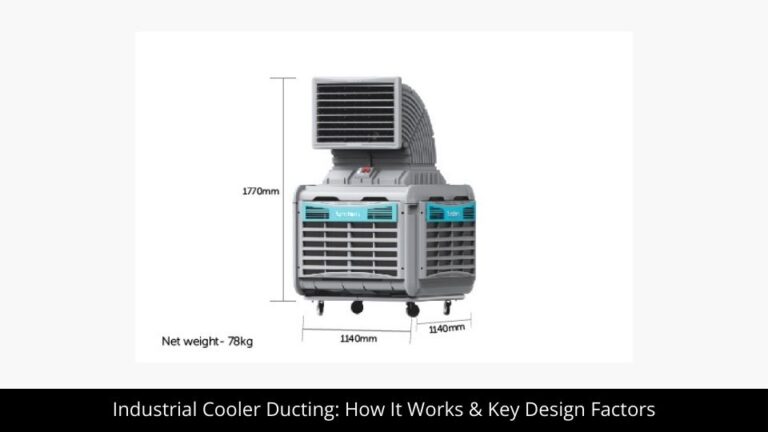
How Ducting Works in Industrial Coolers?
This article explains how ducting works in industrial evaporative coolers – covering the core principle, key components, duct types, design basics, common problems, and maintenance essentials. Key takeaways: (1) Ducting distributes cooled air from a single cooler unit to specific zones across a large facility. (2) The system works on positive pressure – the fan pushes air through ducts and out via outlet nozzles or diffusers. (3) GI sheet metal is the industry-standard duct material for permanent installations. (4) Correct duct sizing, branch balancing, and exhaust provision are the three most critical design factors. (5) Inadequate exhaust is the single most common reason a ducted cooler fails to cool effectively. (6) A structured weekly, monthly, and annual maintenance routine keeps the system performing at full capacity year-round.
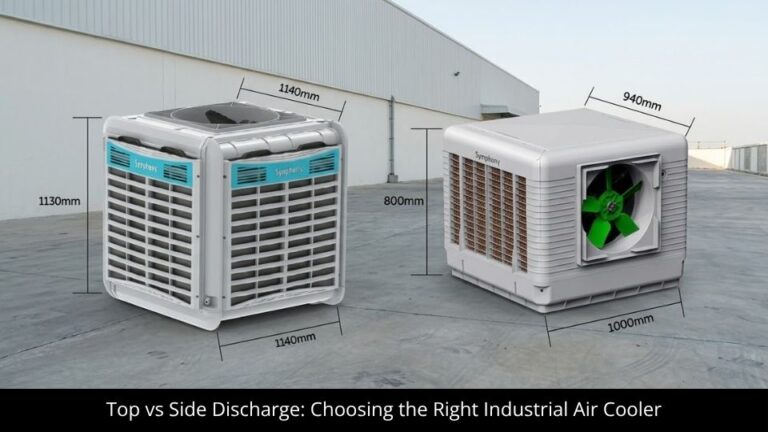
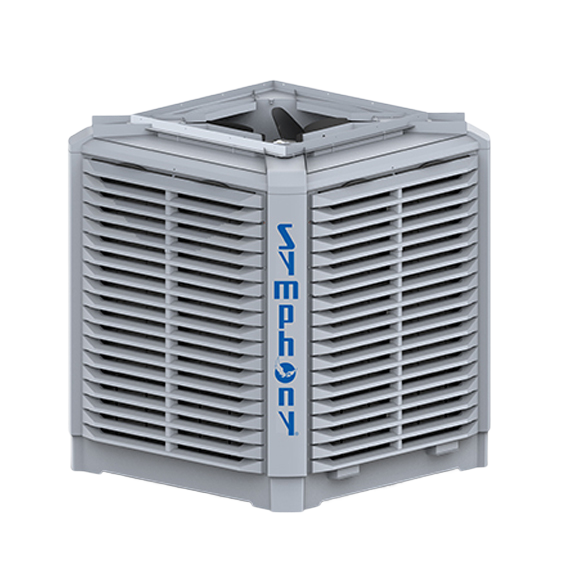
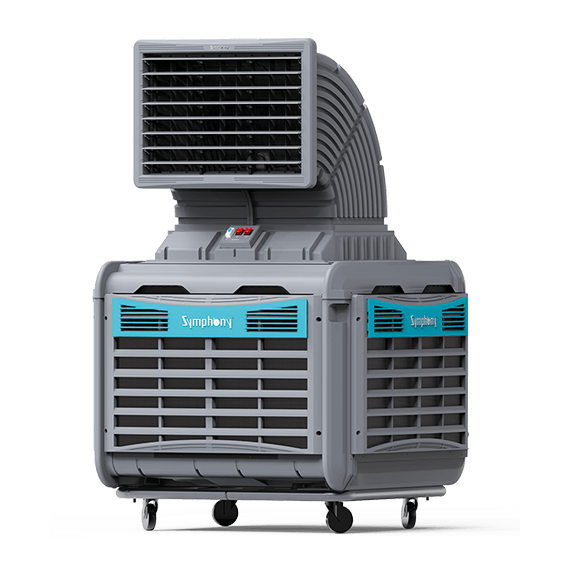
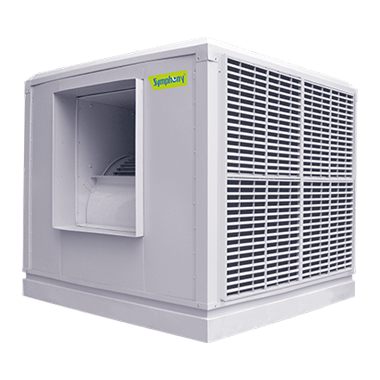
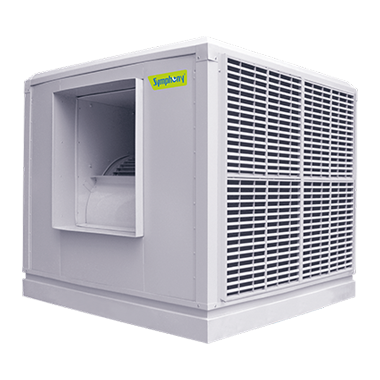
Top Discharge vs. Side Discharge Industrial Evaporative Air Coolers
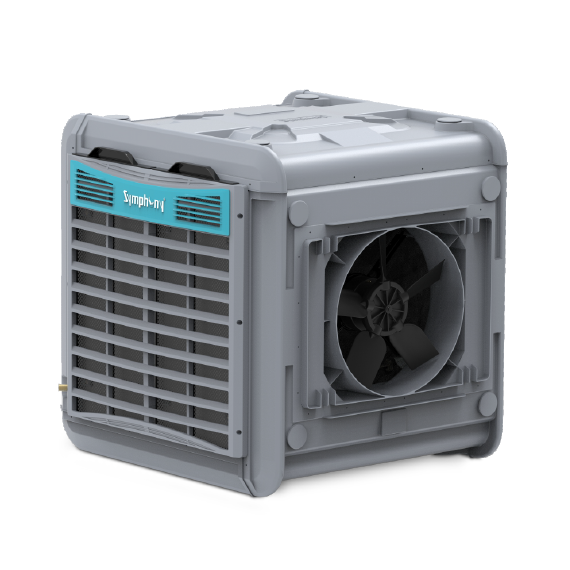
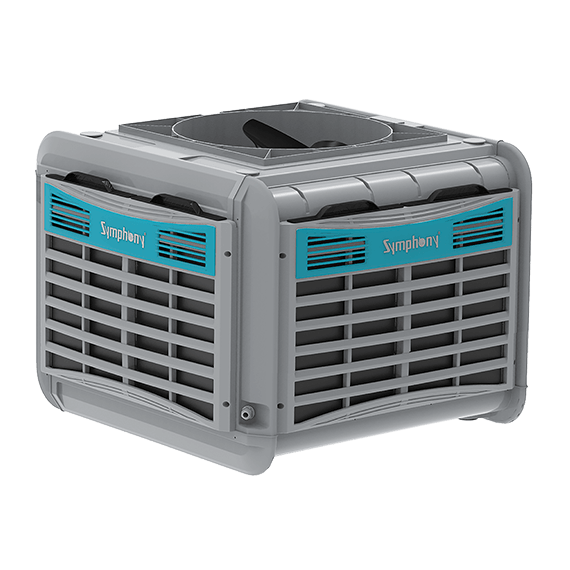
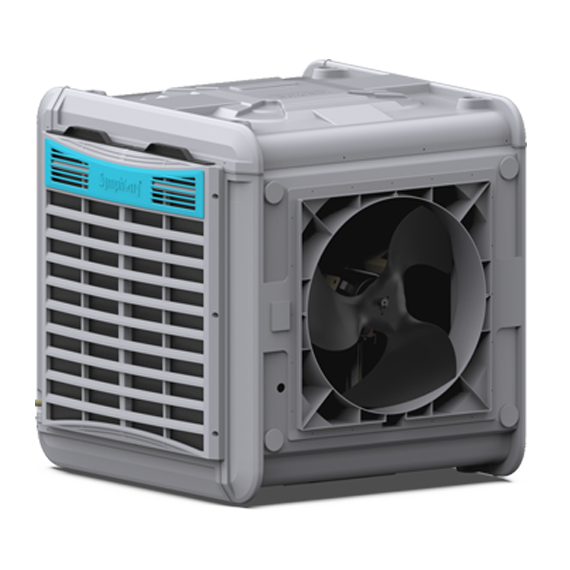
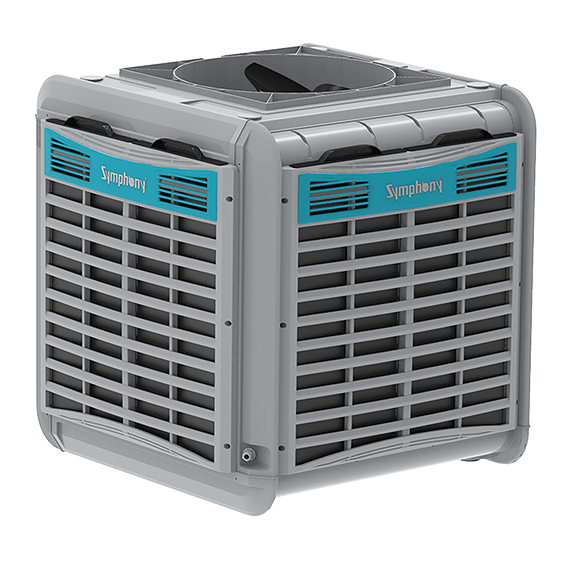
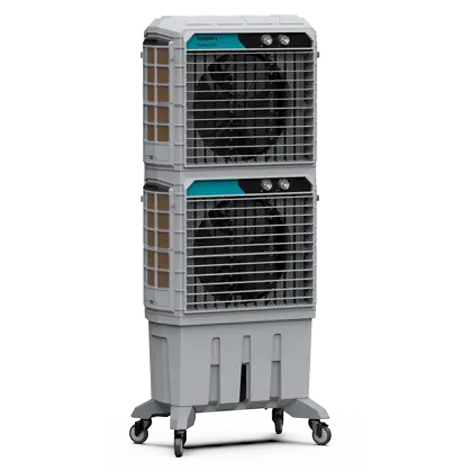
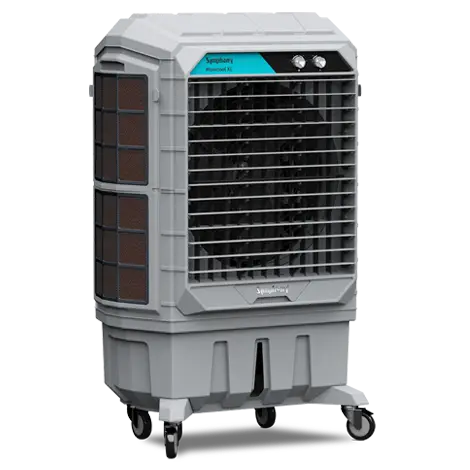
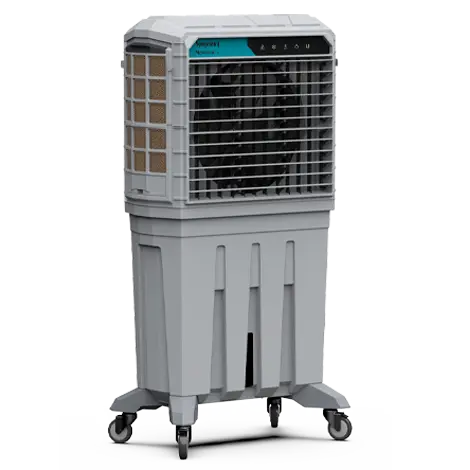
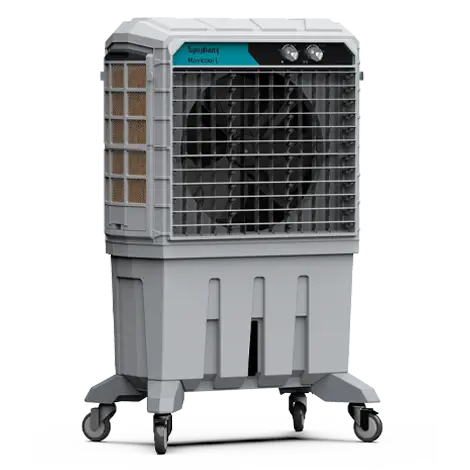
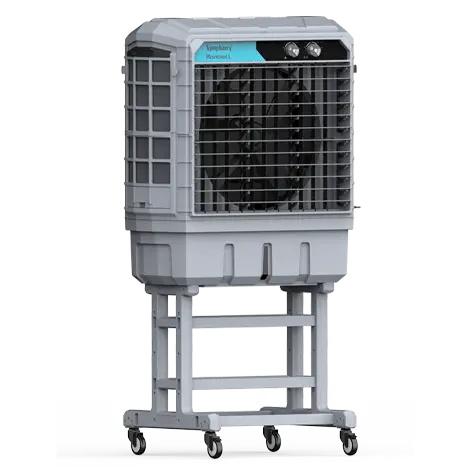
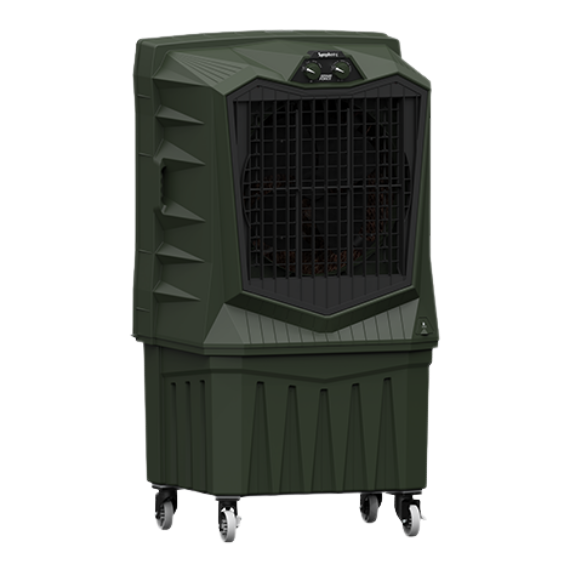
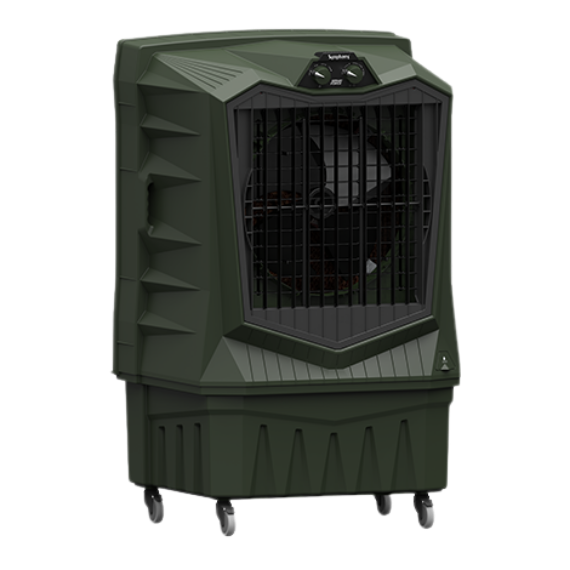
Top discharge and side discharge industrial evaporative air coolers mainly differ in how they deliver airflow and where they are best used. Top discharge coolers push air vertically (often into ducts), making them ideal for centralized cooling and large spaces requiring uniform distribution, while side discharge coolers release air horizontally, making them more suitable for direct cooling in open or semi-open industrial areas. Side discharge systems are typically easier to install and maintain with efficient airflow across wide spaces, whereas top discharge units are preferred when ducting and structured airflow planning are required. Overall, the choice depends on installation layout, airflow direction needs, and the size and type of industrial space.