







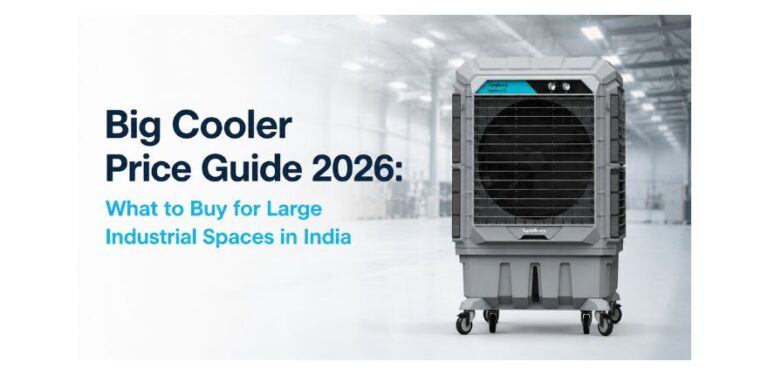
Big Cooler Price Guide 2026: What to Buy for Large Industrial Spaces in India
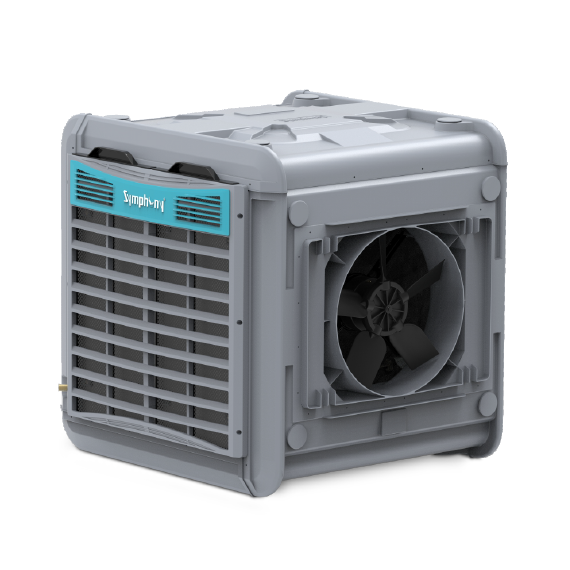
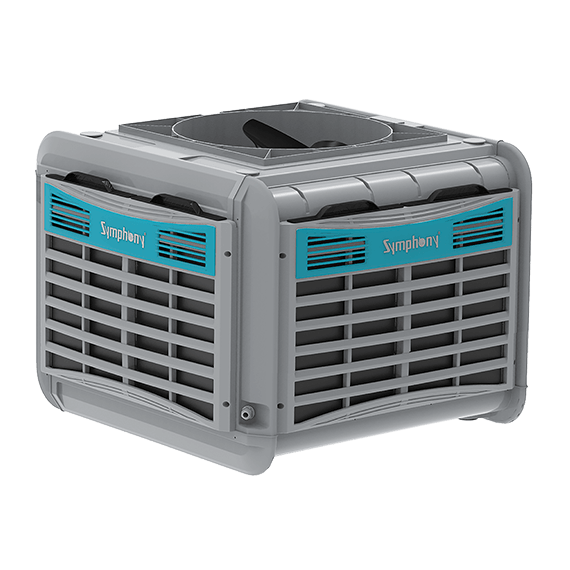
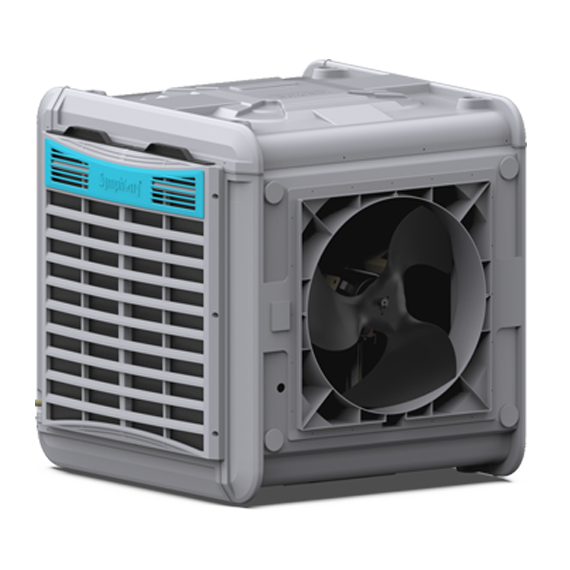
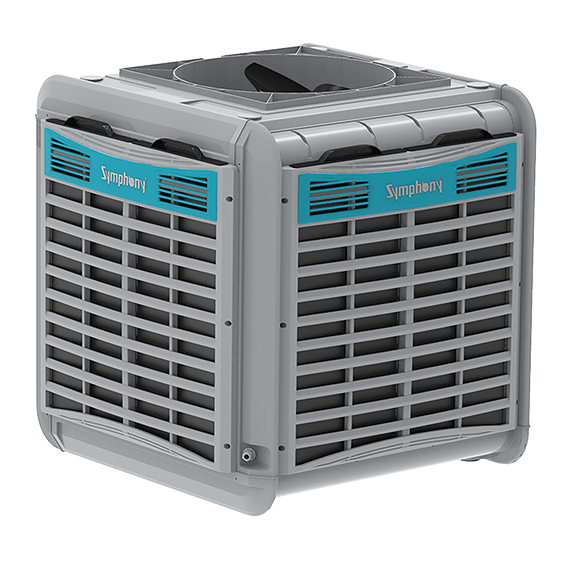
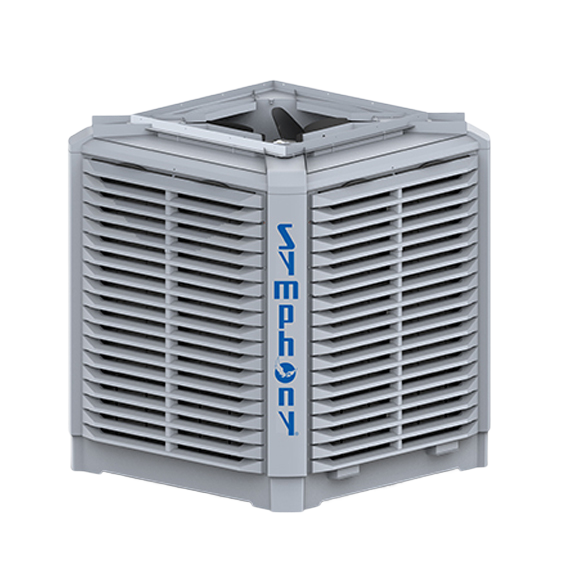
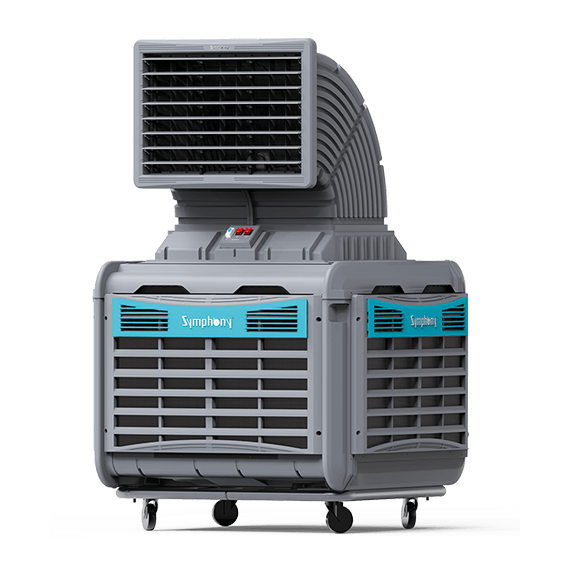
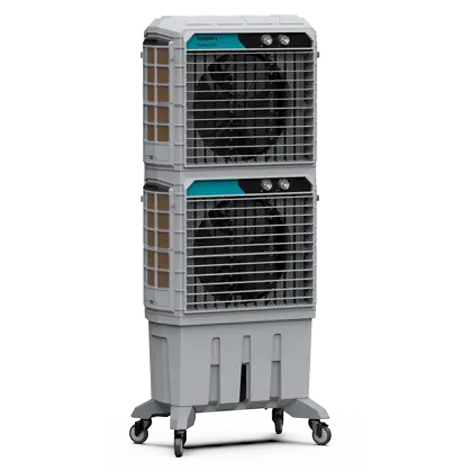
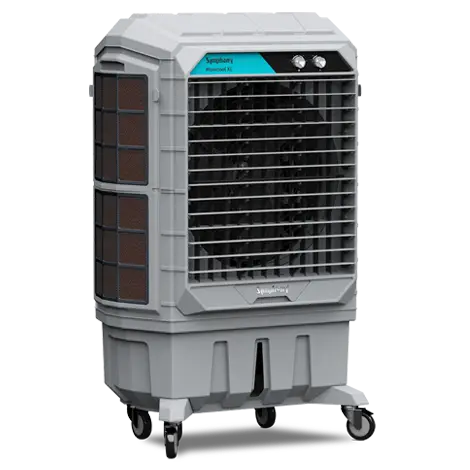
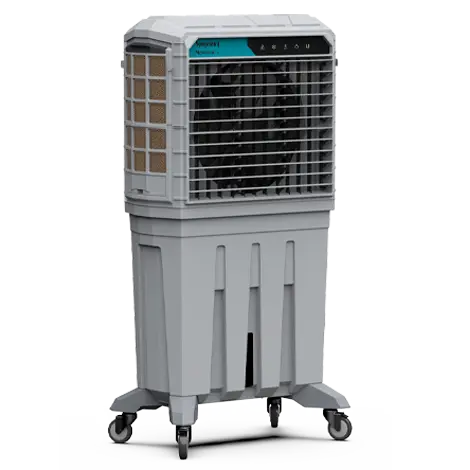
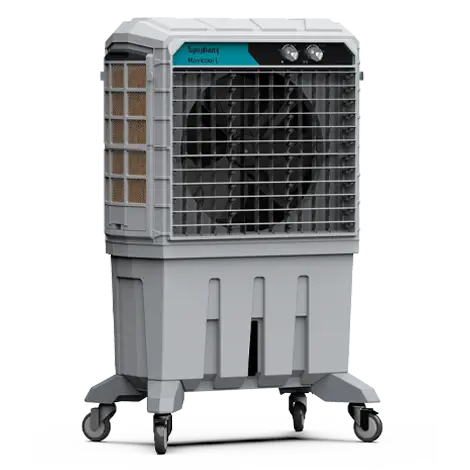
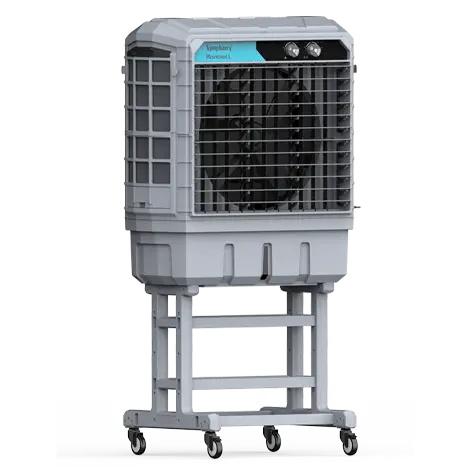
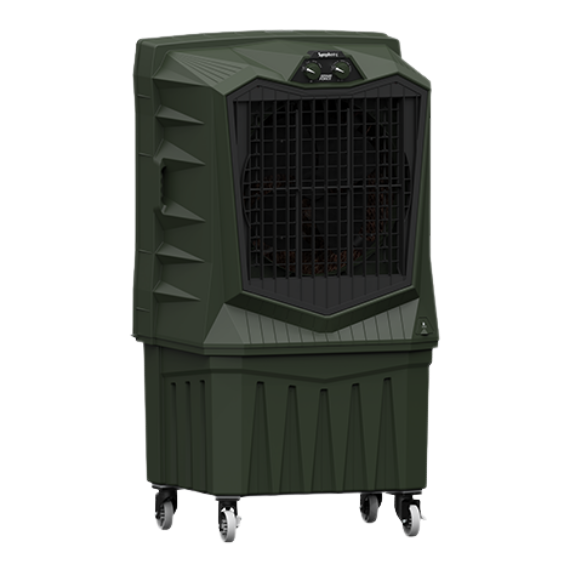
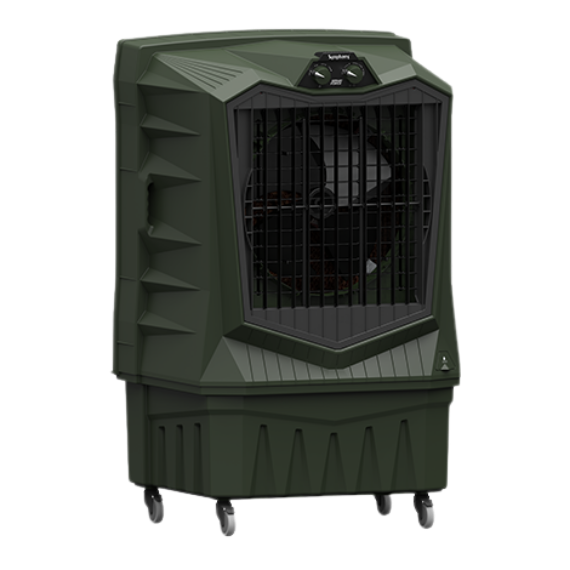
This comprehensive big cooler price guide for 2026 helps Indian industrial buyers – factory managers, procurement teams, plant heads, and warehouse operators – navigate the large industrial cooler market with clarity. It covers big cooler prices from ₹25,000 to ₹5,00,000+ depending on type, capacity, and brand, explaining the full range of industrial cooling solutions from jumbo portable coolers to central ducting systems and AHU-based LSV installations. Symphony Venti-Cool’s product range is detailed with specifications and price guidance. The guide covers key purchase parameters including CFM/CMH capacity, motor power, build material (plastic vs stainless steel), and total cost of ownership. Cities including Surat, Pune, Ludhiana, Nagpur, Gurgaon, Rajkot, Ahmedabad, and Jaipur are referenced. Keywords integrated include big cooler price, big size cooler, jumbo cooler price, heavy duty industrial air cooler, large cooler price, industrial air cooler price, commercial cooler price, and heavy duty cooler.
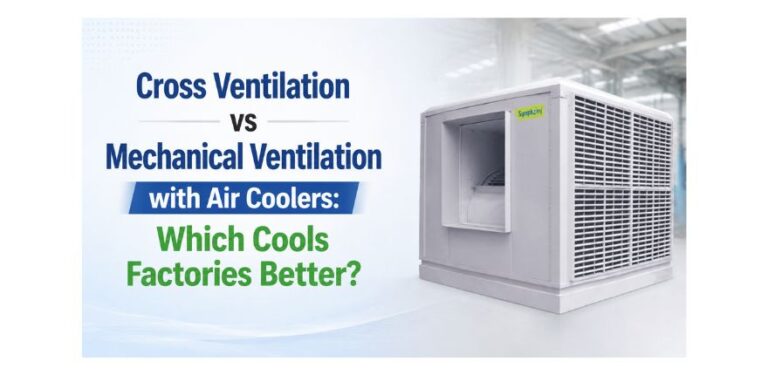
Cross Ventilation vs Mechanical Ventilation with Air Coolers: Which Cools Factories Better?
Factory ventilation strategy is one of the most impactful and least discussed decisions in industrial facility management. This article compares cross ventilation – the passive, wind-driven approach – with mechanical ventilation powered by industrial air coolers and LSV systems, across the dimensions that matter most to Indian factory managers: temperature reduction, air quality, worker health, energy cost, regulatory compliance, and scalability. Drawing on examples from textile units in Surat, auto plants in Pune, food processing facilities in Ludhiana, and pharmaceutical factories in Hyderabad, it explains when cross ventilation falls short and why mechanical ventilation with Symphony Venti-Cool’s industrial coolers is the superior strategy for most Indian factory environments. The article integrates key terms including ventilation cooling system, air cooler ventilation, industrial air cooler, HVAC, and cross ventilation cooler.
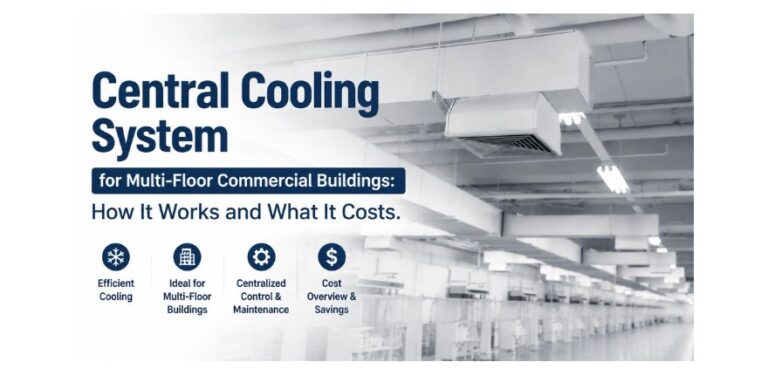
Central Cooling System for Multi-Floor Commercial Buildings: How It Works and What It Costs
This comprehensive guide explains how a central cooling system works in multi-floor commercial buildings – from shopping malls and corporate offices to hospitals, hotels, and mixed-use complexes across Indian cities like Mumbai, Delhi, Bengaluru, Hyderabad, and Ahmedabad. It covers the key types of central cooling systems, including chiller-based HVAC, central evaporative cooling (LSV), and hybrid approaches, along with a detailed cost breakdown for Indian buyers. Symphony Venti-Cool’s Large Space Venti-Cooling solutions are highlighted as an energy-efficient, cost-effective alternative to conventional Commercial HVAC for large commercial spaces. The article addresses system design, airflow requirements, AHU configuration, installation timelines, operating costs, and selection criteria – making it an essential reference for architects, facility managers, property developers, and procurement teams.
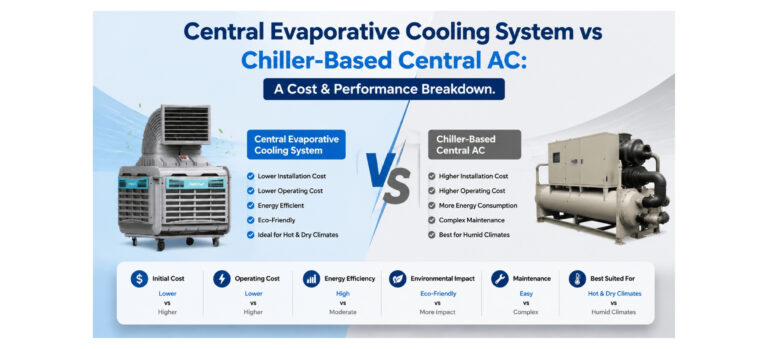
Central Evaporative Cooling System vs Chiller-Based Central AC: A Cost & Performance Breakdown
Choosing between a central evaporative cooling system and a chiller-based central AC is one of the most consequential decisions for Indian industrial and commercial facility managers. This article delivers a comprehensive cost and performance comparison of both systems across capital expenditure, operating cost, energy efficiency, maintenance, environmental impact, and suitability for Indian climate conditions. It explains how Symphony Venti-Cool’s Large Space Venti-Cooling (LSV) evaporative systems offer up to 90% lower power consumption than central AC, with far lower installation and lifecycle costs. Key sectors – textiles, pharma, auto, food processing, warehouses – and cities including Ahmedabad, Surat, Pune, Ludhiana, and Nagpur are referenced. Buyers seeking the best industrial cooling solution for large spaces in India will find clear, data-backed guidance here.