
Symphony Venticool

What's Preventing Your Packaging & Moulding Plant
from Operating at Peak Efficiency?

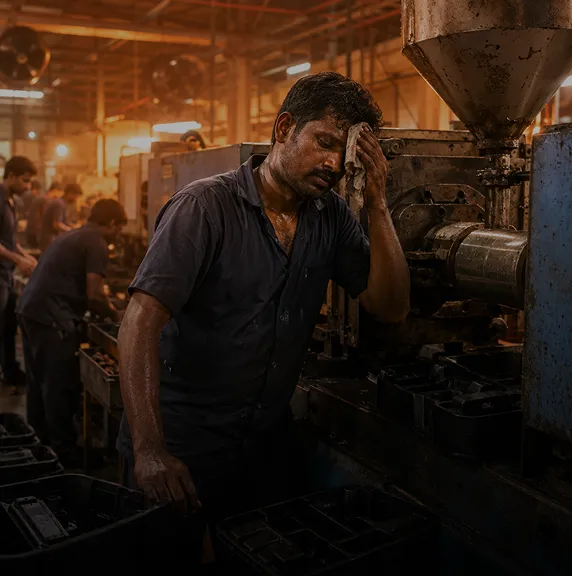
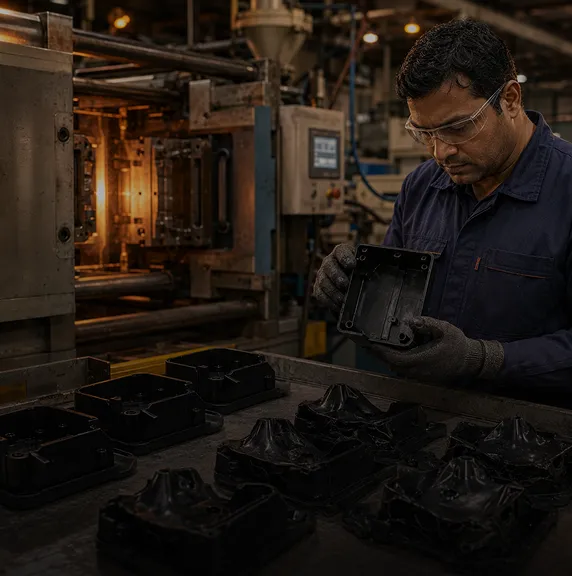
Worker Fatigue & High Absenteeism

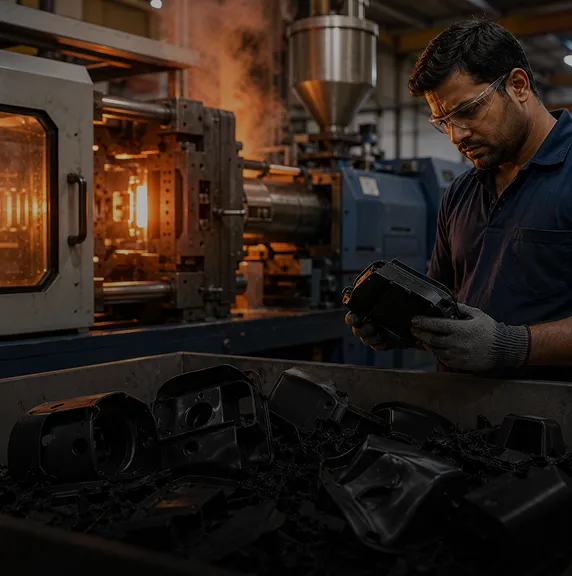
Higher Reject Rates

Excess heat can lead to product defects, material wastage and increased rework.

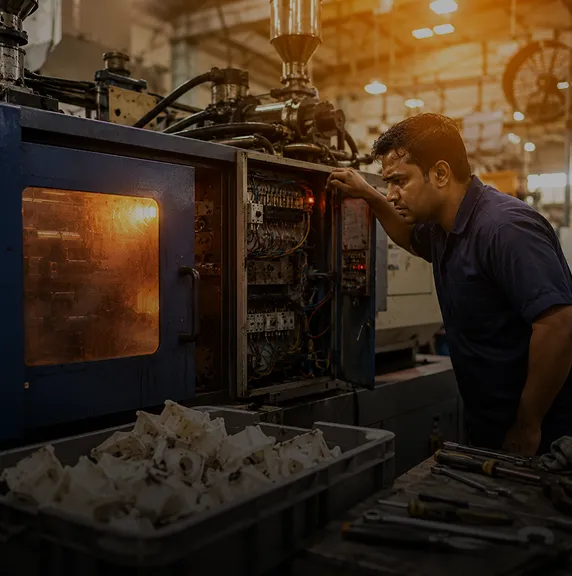
Machine Overheating & Costly Downtime

Slower Production

High temperatures can reduce production efficiency and slow down manufacturing cycles.
Finish & Quality Defects

Rising Operating Costs

Increased energy consumption, machine maintenance and production losses add to operational costs.
Retention & Seasonal Attrition

Reduced Workforce Productivity

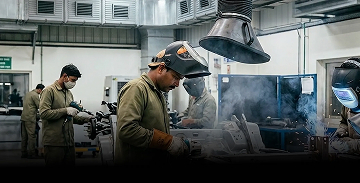
Hot and uncomfortable working conditions can cause worker fatigue, lower productivity and absenteeism.
Retention & Seasonal Attrition

Inconsistent Product Quality

Temperature fluctuations can affect product consistency, resulting in higher rejection rates and quality issues.


BENEFITS

Supporting Production Efficiency
Through Better Shopfloor Ventilation.

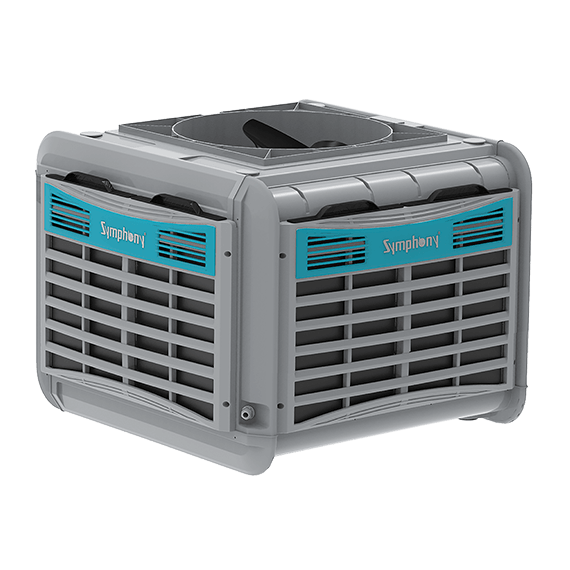
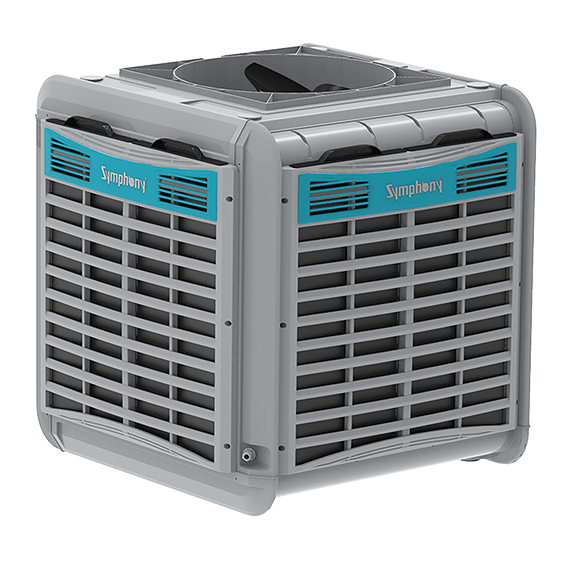
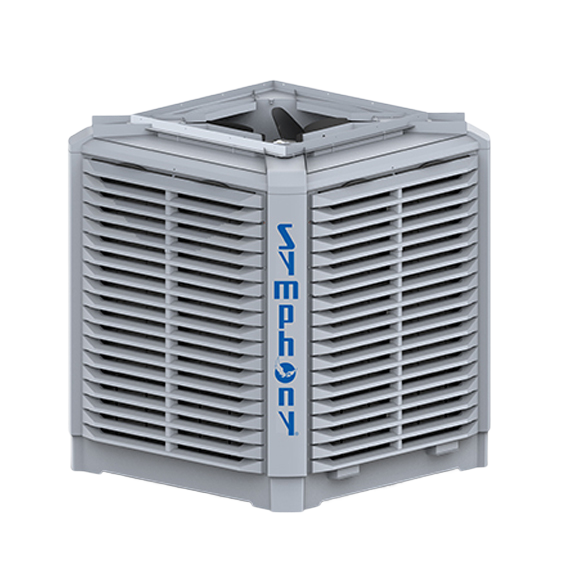
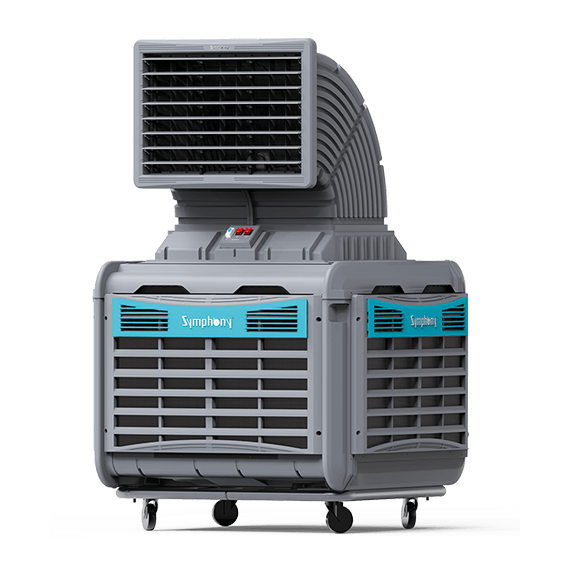
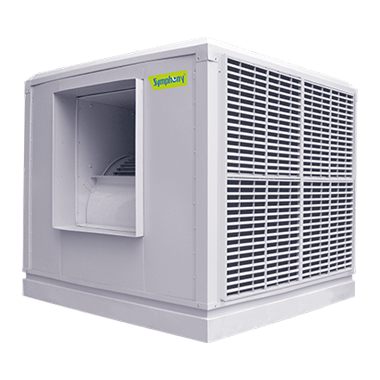
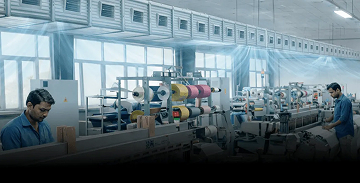
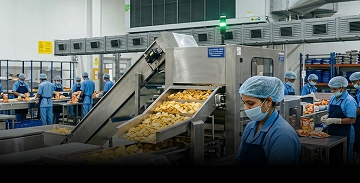
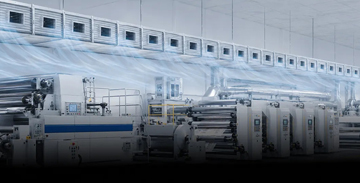
Symphony Large Space Venti-Cooling (LSV) delivers fresh, cool air across your production facility to reduce excess heat and improve worker comfort through better shopfloor ventilation. This helps create a better working environment, supports consistent product quality, and keeps production running efficiently, all with lower energy consumption than conventional cooling systems.

Let's Make Your Shop Floor Cooler & More Productive

KEY BENEFITS

Operational Efficiency That Improves
Profit Margins

Energy cost ↓ 80-90%

Operational cost ↓ ₹2/sq.ft/month

Productivity ↑ 10-20%

Cooling coverage ↑ 2500 sq.ft/unit

ROI < 12 months

Disclaimer: *Performance varies depending on ambient temperature, relative humidity, plant layout, ventilation design, operating hours, equipment selection and electricity tariff.

Here is what our Key Opinion Leader has to say

Suresh Katriya

Plastic Processing,
Moulding & Packaging
Industry

Maintaining a cooler shop floor is key to better productivity and product quality. Symphony Large Space Venti-Cooling removes excess heat and improves airflow, helping packaging and moulding plants create a more comfortable, efficient and reliable production environment.

CHOOSE THE

Perfect Cooling Unit for your Plastic Processing, Moulding & Packaging Plants

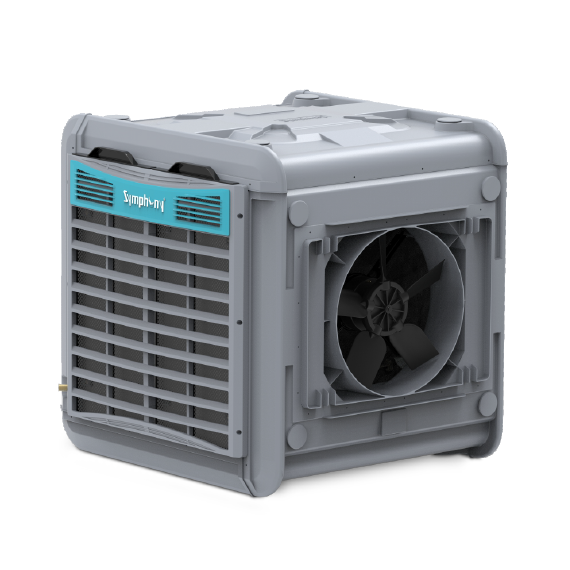
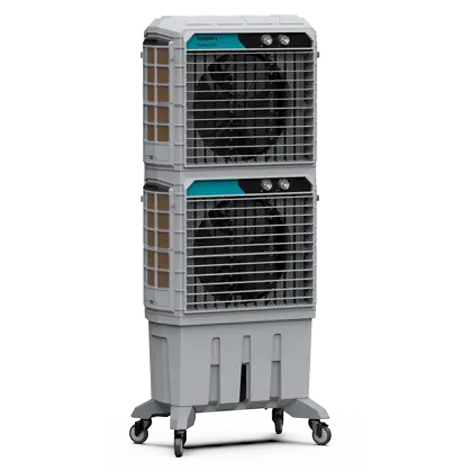
Movicool DD 125

Movicool DD 125

Front Discharge
  • For rooms up to: 710 sq. ft.*
  • Air volume: 17000 m³/hr
  • Wattage: 225 × 2 W
  • Body: Robust weather resistant body and 3-side dust filters.
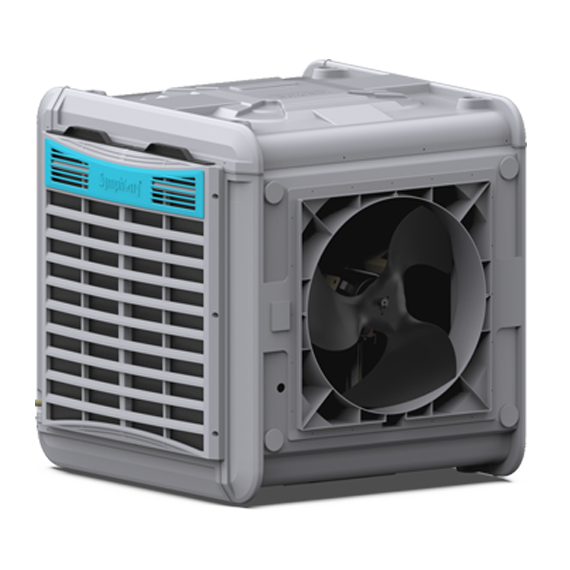
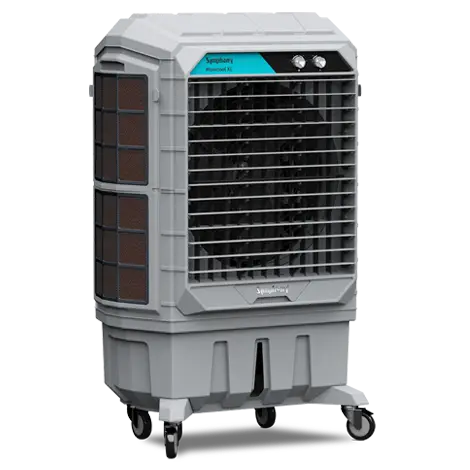
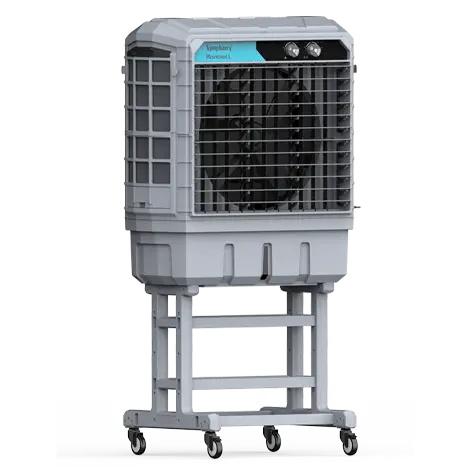
Movicool XL 200

Movicool XL 200

Front Discharge
  • For rooms up to: 710 sq. ft.*
  • Air Volume: 18000 m³/hr
  • Wattage: 605 W
  • Body: Robust weather resistant body and 3-side dust filters.
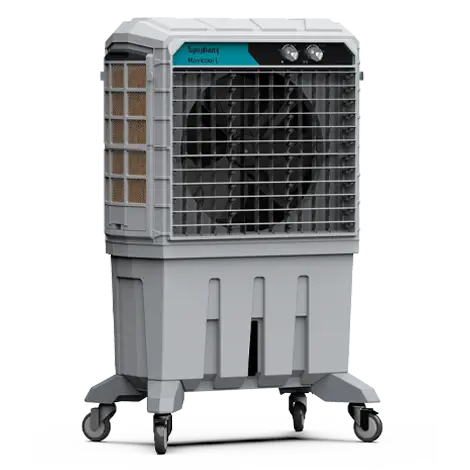
Movicool L 200

Movicool L 200

Front Discharge
  • For rooms up to: 710 sq. ft.*
  • Air Volume: 8500 m³/hr
  • Wattage: 225 W
  • Body: Robust weather resistant body and 3-side dust filters.
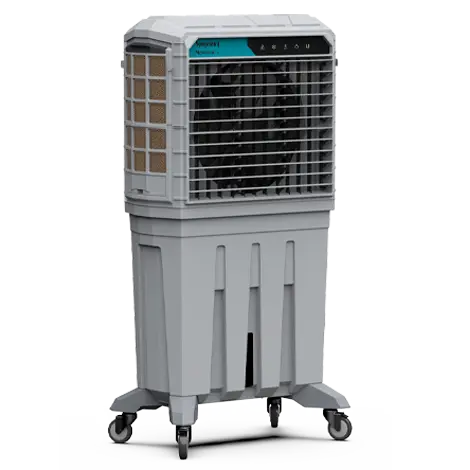
Movicool L 125

Movicool L 125

Front Discharge
  • For rooms up to: 678 sq. ft.*
  • Air Volume: 8500 m³/hr
  • Wattage: 225 W
  • Body: Robust weather resistant body and 3-side dust filters.
Movicool L 65-S

Movicool L 65-S

Front Discharge
  • For rooms up to: 678 sq. ft.*
  • Air Volume: 8500 m³/hr
  • Wattage: 225 W
  • Body: Robust weather resistant body and 3-side dust filters.
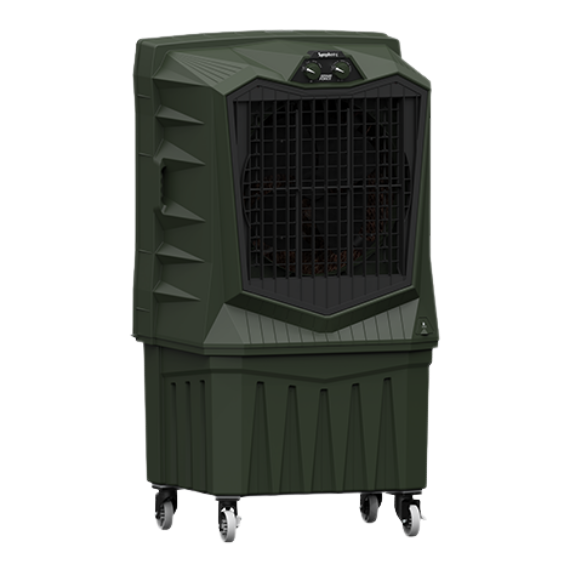
Air Force 160

Air Force 160

Front Discharge
  • Air Throw Distance: 21m*
  • Water Tank Capacity: 160L
  • Wattage: 445W
  • Body: Robust weather resistant body
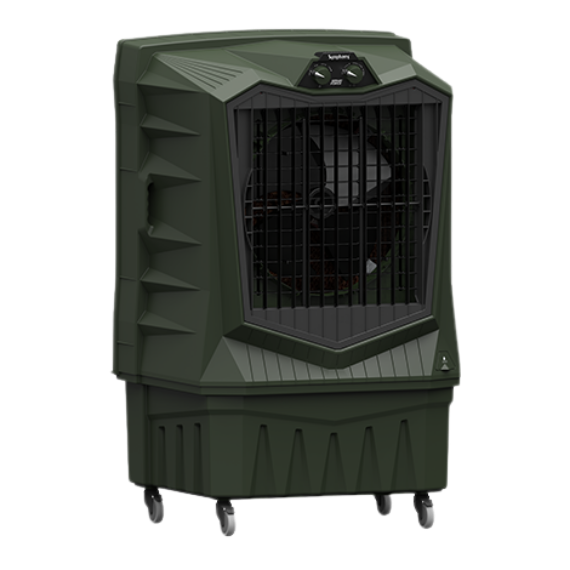
Air Force 120

Air Force 120

Front Discharge
  • Air Throw Distance: 21m*
  • Water Tank Capacity: 112L
  • Wattage: 325W
  • Body: Robust weather resistant body

Want to optimize your cycle times
and eliminate shopfloor heat stress?

Frequently Asked Questions

Q. Why is excess heat a challenge in packaging & moulding plants?

A. Processes such as injection moulding, extrusion, printing, lamination and shrink wrapping generate continuous heat. This can affect worker comfort, production efficiency, product quality and operating costs.

Q. How does Symphony LSV help packaging & moulding facilities?

A. Symphony Large Space Venti-Cooling (LSV) supplies fresh, filtered air while removing hot, stale air from the shop floor. This creates a cooler, more comfortable and productive working environment.

Q. Can Symphony LSV improve product quality?

A. Yes. By creating more stable shop-floor conditions, Symphony LSV helps reduce heat-related process variations that can lead to product defects, rejects and inconsistent quality.

Q. Why choose Symphony LSV instead of conventional air conditioning?

A. Traditional air conditioning can be expensive to install and operate in large industrial spaces. Symphony LSV is designed specifically for large, open and semi-open manufacturing facilities, delivering energy-efficient cooling with fresh air circulation.

Q. How much electricity can our moulding facility save compared to traditional HVAC?

A. Symphony LSV consumes up to 90% less electricity than central air conditioning, offering massive OPEX savings for 24/7 continuous operations.

Q. How does the system handle dust on the shop floor?

A. Our units feature high-efficiency cooling pads that act as filters, trapping airborne dust and micro-particles, ensuring only clean air flows onto your assembly lines.

Q. How much temperature reduction can Symphony LSV provide?

A. Symphony LSV can help achieve a temperature reduction of up to 10–12°C, depending on the facility layout and operating conditions.

Q. Which areas of a packaging plant can Symphony LSV cool?

A. Symphony LSV is suitable for injection moulding, extrusion, thermoforming, PET preform and bottle manufacturing, printing & lamination, and packing & dispatch areas.

Q. How do I choose the right Symphony LSV model for my plant?

A. Our experts assess your facility's size, heat load, layout and process requirements to recommend the most suitable LSV solution for optimal cooling performance. Symphony offers solutions covering areas up to 2,500 sq. ft. per unit, with different airflow capacities to match varying plant needs.

Q. Is Symphony LSV a direct replacement for process water chillers?

A. No. Chillers cool the internal molds directly. Symphony LSV manages the ambient room temperature, protecting external machinery components, preventing electrical trips, and keeping operators productive.